One Genre, Two Worlds: How the EDM Scene Split into the Underground and the Mainstream
Dance Floor Dispatch explores how the electronic music scene created two vastly distinct cultures rooted in community and anonymity, while the other in spectacle and online.
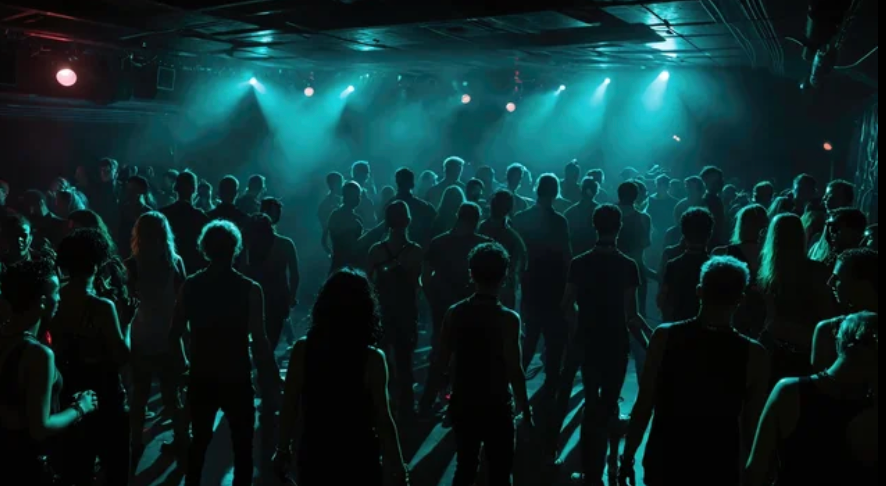
It is two in the morning in the city, and the bars are all closed. The night dwellers are looking for the next spot to hang and listen to music. There is no lineup, and you need to send a text to the organizer to drop you a line for the address. However, the address will not be to the warehouse in which the event is being held. It is to a location, next to a U-Haul truck with an unfamiliar person, telling you to listen quickly while they tell you the actual address to the location. These types of undergrounds were always word of mouth and occasional social media blips of information usually broken up by police before the next one began somewhere else.
Of course, these types of warehouse underground parties were well before Instagram and TikTok blew up. Well before the likes of Resident Advisor and Dice evolved outside of helping people discover music and events that were more tailored to the mainstream. It was a chance for people to escape reality on a weekend or even a random Tuesday and just dance while discovering new artists and music.
The birth of the underground scene shared values such as radical inclusivity, anonymity and the collective joy over individuality. The idea of an underground rave or music collective comes from the people who are born and bred to share a collaborative guide for local club cultures and grassroots rave scenes. Long before the scene became a multi-billion-dollar global industry mixed in with business deals and influencers, the origins of the scene began in the ruins of the disco, in the black and queer communities of Chicago and Detroit.
The Origins & People Who Grew The Scene
Frankie Knuckles - Chicago
The late Frankie Knuckles' Boiler Room set a year before his death.
Known as the “Godfather of House Music” was a resident at a members-only dance club in Chicago’s South Side called The Warehouse. The club was shortened to House by local record stores to describe the style of music which labeled its genre. With the birth of House, it emerged from a space as something more than a genre or sound. It held a lifeline for its audience, largely Black and Latino LGBTQ+, who were living through the horrors of the AIDS crisis and other political indifferences during the Reagan era. The dance floor was on of the few places to exist freely.
The Belleville Three (Juan Atkins, Derrick May, and Kevin Saunderson) – Detroit
Detroit's contribution to the scene birthed techno. Originally developed in Belleville by a trio of young Black men named Juan Atkins, Derrick May, and Kevin Saunderson, they took the synthesizers and drum machines of the era and created something futuristic. May famously described the sound he helped create as being “like George Clinton and Kraftwerk stuck in an elevator.” Like Chicago house, it was underground by necessity. The genre emerged in the 1980s and has since grown internationally. The pioneers spoke to Decode Magazine in 2016, “I would like to pay honor and pay tribute to those who helped found this genre,” Benson said. “Most of the music is seen in dance clubs and around the world. The fact that it was established here in Detroit needs to be reflected her and identified as well as just celebrated.”
The Rise of the Superstar DJ & Mainstream Music Festivals
By 2010, the superstar DJ era was fully realized, when artists like David Guetta, Avicii, Calvin Harris, Swedish House Mafia, and Skrillex broke through to global pop stardom. Songs like Guetta's "Titanium" and Harris's "Feel So Close" became radio staples and conquered American households. Avicii's "Wake Me Up" blended folk and EDM in a way that baffled purists, and sold millions of copies worldwide. These DJs were not just artists or musicians, they were becoming brands and celebrities. The pioneers like Frankie Knuckles of the 1970s and 1980s introduced these types of art forms and the later artists adopted it and commercialized it.
Eventually a music scene that has grown from word of mouth to the rise of social media would be expected to burst at the seam. The genre and the underground began to popularize and grow outside of is warehouse walls. Whatever the underground could not contain, the mainstream machine would eventually absorb it.
The earliest recorded music festivals go back centuries but it was only within modern time that music festivals began to pop up and introduce electronic dance music. They now often intertwine with multiple genre type music festivals like Coachella, Lollapalooza and Bonaroo. Electronic music focused festivals like Tomorrowland, Ultra Music Festival, Electric Daisy Carnival, and their global imitators grew within the last 30+ years, drawing hundreds of thousands of fans and generating hundreds of millions of dollars. The festival scene truly transformed the DJ from a servant of the dancefloor into a celebrity with a light show.
The tug-of-war between the underground and mainstream is, at some level, about access and intimacy. Oftentimes the underground gatekeeping of the scene sometimes tries to pass for authenticity, when the scene was always about opening its doors to everyone. There can sometimes be an elitism that looks down on anyone who came to the music through a festival. At the end of the day, the legacy of the underground scene is not to exclude newcomers, but to welcome them. But on the other hand, some of the mainstream music festivals and scenes have often buried the history of some of its Black and queer origins. Even the transformation of the term PLUR from a sincere ethic background has turned into a branding slogan on festival merch. The mainstream and social media algorithms of today are pushing out only what works in a capitalist society. What type of music sells more? Will that type of person who is making that music make money?
It seems that there is a displacement of longform, improvisational DJing by compressed, pre-planned sets that are often found at mainstream festivals which are often just a spectacle. The longing to hear an eight-hour set from an artist isn’t typically found unless it is well into the early hours at a warehouse. Some of the best music is discovered from an eight-hour set versus a one hour set time at a music festival. The club scene and dance floors have changed over each decade. Ask anyone who has spent time in both worlds, and they will tell you the differences.
Post COVID-19 Pandemic & the Rise of TikTok Influencers
Every dancefloor on earth closed for the better part of two years during the COVID-19 pandemic. It completely reshuffled everything as people turned to TikTok, Zoom and Twitch live streams for an ounce of musical freedom. Artists and DJs like Kaskade, David Guetta and more reached their audience through these different platforms. There were even drive-thru raves hosted by organizers like Insomniac. Finally, when the clubs and festivals reopened around 2021something had shifted.
The underground scene had returned but not without an unusual energy. Cities like Los Angeles had a new generation of organizers emerging to throw parties in warehouses in Skid Row, loft apartments, and repurposed gallery spaces.
In Berlin, where the closure of legendary venues like Watergate and others had already been reshaping the scene, illegal raves in parks and forests became more prevalent than ever.
Meanwhile, major festivals resumed their operations and, in many cases, expanded. As the spectacle grew larger with influencer and creator culture on the rise, brands and mainstream media began to catch on to some of the genres of music in the electronic music scene. Someone’s favorite DJ during Covid played on Twitch while someone’s favorite influencer with 5 million on TikTok somehow loves going to Ultra Miami and watching John Summit.
A generation had come of age during lockdown, for whom electronic music had been something experienced through headphones and screens. They discovered the gap between recorded music and live communal experiences for the first time.
Although the electronic music scene has grown to a massive scale over the past few decades, it does not begin at a festival. It begins with the artists helping to grow and shape the scene. The genre and community continue to grow and introduce younger generations to old and new music.
Whether it is people gathering in a dark warehouse, moving to music at four in the morning, and being freed for a moment from the structure of ordinary life. Or whether it is at a main stage in front of 75,000 people both worlds can coexist. And what remains the same across both, is the dance floor itself.