A Conversation with Damon Sharpe: The Hitmaker Behind the Decks
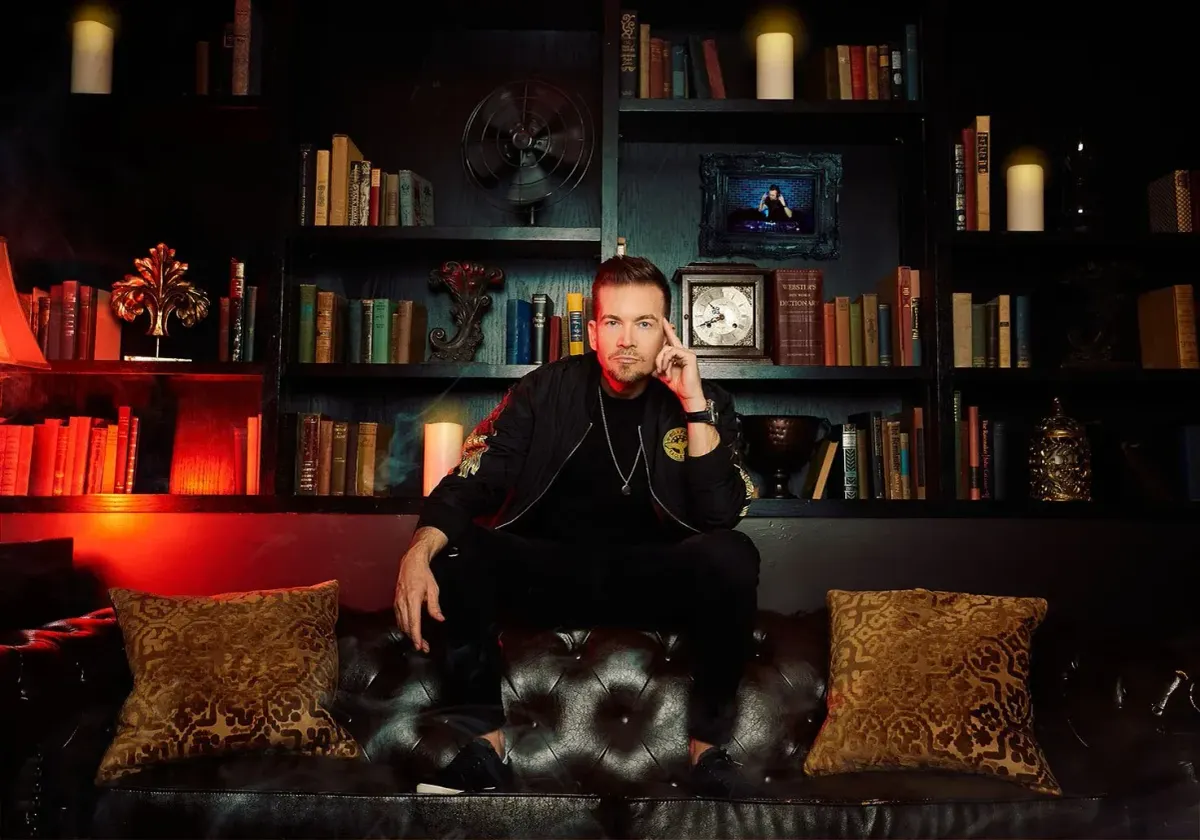
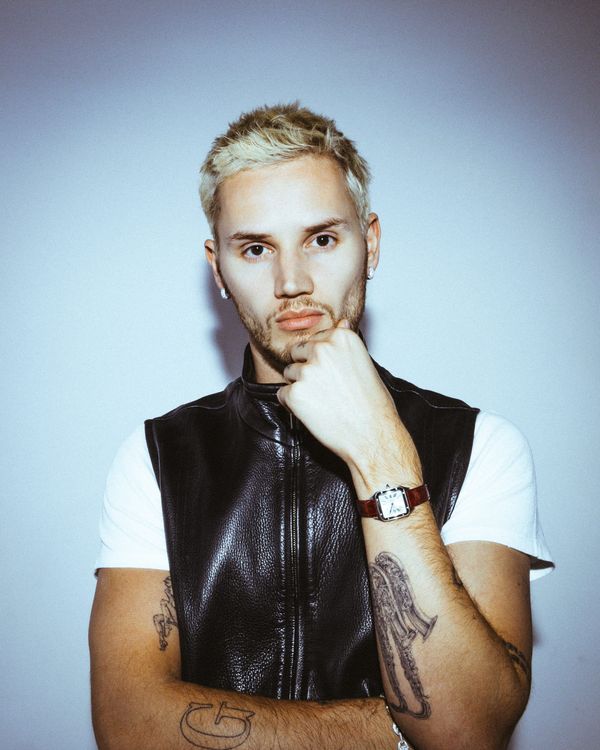
Grammy and ASCAP award-winning producer, songwriter, DJ and recording artist Damon Sharpe is best known for his creativity behind the scenes as a producer working alongside artists such as Jennifer Lopez, Ariana Grande, Pitbull, Flo Rida and Alesso. But what some may not know yet, is that Damon is also focusing on his own music as well, continuing the transition from “behind the scenes” to in front of them. Furthermore, on the DJ front, Damon has been playing live sets worldwide including EDC Vegas, ADE, Miami Music Week, SXSW and clubs worldwide.
His tracks have been played in heavy rotation on Sirius BPM, Sirius Chill, iHeart Evolution, Music Choice and received support from Don Diablo, Lucas & Steve, Hardwell, Afrojack, Sam Feldt, R3HAB, Morgan Page, Nicky Romero, Martin Garrix, and more. As a DJ and artist he has released on highly acclaimed labels such as Armada, Insomniac, Hysteria, Hood Politics, Dirtyworkz, Liftoff, Mixmash, Loudkult and his own label Brainjack Music which he launched in 2022 which is synonymous with his radio show on Insomniac Radio.
Damon was born in Cleveland, Ohio and raised in Phoenix, AZ. Driven by his love for music, at 15 Damon’s parents graciously moved to LA so he could pursue his dreams. Damon has contributed many recognizable songs to popular culture and has been involved with the production of various popular albums that cumulatively have sold over 45 Million copies and achieved nearly 4 Billion streams.
His songs have been featured in many feature films, television shows and commercials around the world. As a DJ and artist he has reached over 100M streams and millions of monthly listeners on Spotify.
Dance Floor Dispatch got to chat with the multi-hyphenate producer. Read our interview below.
Career & Breakthrough
You’ve worked across several genres of music. Is there a specific session or placement that felt like the turning point in your career?
Absolutely. Like you said, I’ve been fortunate to have success across pop, EDM, R&B, K-pop, and more, but the placement that truly changed everything was Jennifer Lopez’s “Love Don’t Cost a Thing.” I literally went from being on unemployment to making a living as a songwriter almost overnight. That song opened so many doors for me, and thankfully I haven’t looked back since.
Grammy and ASCAP recognition is significant to add to your resume. Looking back, which song do you think deserved more credit for shaping your sound than it received? Honestly, I’d give more credit to the writers and producers who shaped me than to any one song. I grew up studying people like Quincy Jones, Rick Rubin, Daft Punk, Nile Rodgers, and Max Martin. Their approach to songwriting, production, and creating timeless records had a huge influence on how I make music today.
With over 4 billion streams across the records you’ve touched, has your definition of a “hit” changed since you started? Yes and no. As you have more success, your own expectations naturally get higher. Every record becomes the new bar you’re trying to beat. But I’ve also always been my own worst critic. I still laugh when people call everything they make a “hit” or a “smash.” Those words should actually mean something. A hit is something the audience decides not the person who made it.
Collaboration & Process
How do you shift your production instincts walking into sessions with pop vocalists versus dance producers? Honestly, they’re not as different as people think. For me, it always starts with the song. If you have a great song, you can produce it in almost any genre. The production choices may change, but the songwriting always comes first.
Do you build tracks differently for a DJ-driven artist compared to a pop powerhouse singer or does the foundation stay the same? The foundation is always the song, but the structure can be completely different. A pop or R&B record is usually built around the vocal and the emotional journey, while a dance record also needs to serve the energy of the DJ and the dance floor. Same foundation, different destination.
What does a typical session with you look like? Do you come in with an idea already started, or build from scratch in the room? Every session is different, and honestly, that’s what keeps it exciting. Sometimes I’ll come in with a finished song, sometimes it’s just a chord progression, a groove, a title, or even just a concept. I like having some kind of starting point, even if it’s small, but I’m also flexible enough to throw it all out if something better happens in the room.
Is there a collaborator who completely changed how you approach a session and pushed your process in a new direction? My longtime collaborator Greg Lawson had a huge impact on me as both a producer and songwriter. He taught me how to let the magic happen naturally while still being disciplined enough to craft every detail. That’s something I’ve carried into every session since.
DJ Identity & Dance Music
You move between studio production and DJing. How does playing live change what you prioritize when you’re producing in the studio? DJing is one of the greatest advantages I have as a producer because I get instant feedback. I can see exactly what people react to, where they lose energy, and what brings them right back. Watching other DJs work the room teaches me just as much. Hosting my radio show on Insomniac Radio also gives me the chance to test unreleased music before most people hear it, which definitely gives me an edge.
Dance floors react in real time in a way playlists can’t. Has reading a crowd ever sent you back into the studio to rework a track? All the time. There’s nothing like watching a crowd react in real time. Sometimes you realize a section is too long, a drop isn’t landing, or the energy needs to shift sooner. The dance floor is probably the most honest feedback you’ll ever get.
Where do you see the line right now between “pop with dance elements” and actual electronic dance music? Is that distinction still meaningful to you? I think we’re in a really exciting place where genres are blending more than ever. Every genre still has its own DNA, but some of the best records today borrow from multiple worlds. When you can combine great songwriting with unique musical energy, that’s usually where the magic happens.
BRAINJACK Music
What made the right moment to launch BRAINJACK Music, and what gap were you trying to fill that major labels weren’t? For me, it felt like the right time to give back. I’ve been fortunate to have a lot of success in my career, and I wanted to build a community and a label where I could help artists launch their careers or even just help launch one great song. And honestly, on a personal level, I also wanted a home for my own music when it didn’t quite fit what other labels were looking for.
You also have BRAINJACK Radio, where you feature new and emerging artists. When you’re signing or developing an artist through BRAINJACK, what are you listening for that goes beyond a good song?At the end of the day, it still starts with a great song. But beyond that, I’m looking for artists with a clear identity who understand that making great music is only half the job. Marketing, branding, content and social media are all part of being an artist today. The ones who embrace that usually separate themselves.
Is there an artist right now whether you work with them or not that you think people should be paying closer attention to? I’ve been lucky to work with some incredible artists recently. Ochok is making serious waves in Afro House. Taylr Renee is one of my favorite dance vocalists working today. And Alex Newell is someone I’ve admired for years. After focusing on Broadway for a while I convinced him to come back for a Dance feature. We’ve got a record coming called “Walking on Water,” and I can’t wait for people to hear it.
Industry Perspective
Songwriting credits and rooms have changed a lot over the last decade with more collaborators, and fragmented credits. How has that shifted roles within a session? Honestly, it hasn’t changed that much for me because I’ve always loved collaborating. That said, I’m very intentional about who I bring into a room. Once you get beyond four or five people, things can start getting complicated, not just creatively, but from a business standpoint too. The best sessions usually have the right people, not the most people.
What’s one piece of advice you’d give a producer trying to break into pop and dance today that you wish someone had told you earlier? Don’t wait for tomorrow. Take chances. Don’t wait for someone else to give you permission or create opportunities for you. Bet on yourself, stay persistent, and don’t let rejection stop you. Every “no” gets you one step closer to a “yes.”